As I get closer to facing my own mortality, I think about what is left of me when I’m gone. I have had conversations with a friend who lost his only child to cancer in June. The initial decisions are difficult, especially when no one has planned. There are also broad options of how to honor and remember them: obituary, tombstone, celebration of life, funeral, donations, memorials, engraved stone, etc.
Those impromptu decisions are difficult and require time and effort—and they usually have to happen during the most difficult times of grieving.
Death might be easy for US when we die, but it is challenging for loved ones we leave behind.
And don’t forget our overstuffed homes and garages they inherit and don’t want.
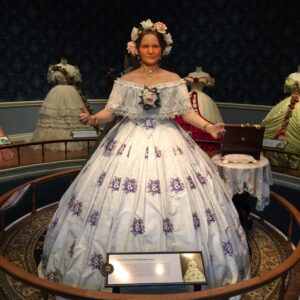
I also recently traveled through Wyoming and stopped at several museums along the way. Again, the hows and whys of legacy, preserving information for history, and valuing the tangible in this digital age filled my mind.
We can each store memories on our phones and in our minds, but when we’re gone, they’re gone—our memories of life are, if not erased, for sure diminished. How can we help preserve US? The museums I visited were overflowing, and they displayed donated artifacts with reverence—they were impressive.
I have no answers here, only observations and questions that I hope will trigger action. We need our history to survive. We need it to help those who come after us avoid losing what we learned, gained, and lost in our lifetimes.
I fear a day will come when cemeteries, museums, and newspapers with obituaries and photos for research will be absent from our world. I know that sounds extreme, but today we have offices where people only have a computer and a flat surface with a chair—no paper, pencil, art on the walls, desks with drawers, seasonal decorations, family photos—nothing—just a warm body (which is about to be replaced) and a computer. That would have seemed like science fiction a few years ago.
All that said, I started this article by pondering death and feeling grateful for institutions that preserve us. We need to want to be remembered—quality museums, cemeteries, newspapers, churches, schools, etc., take money, labor, priority status, and volunteers.
I certainly renewed my respect for our Overland Trail Museum under the guidance of Curator Kay Brigham Rich since 2006. Our museum is above and beyond what I visited during the week. Logan County has a jewel, and I personally thank the leadership and volunteers who keep our past alive.
“We’ve come a long way, Baby”, and we (I) don’t want our contributions to this earth to be lost when we’re gone.
Let’s make choices to preserve US while we can.
Until the next time: Live while you live
Leave a Reply