 Today, I mistook the church start time, so I had a free hour, which meant I could go for breakfast. Yippee.
I went alone and could bypass the extremely long line. They had a table for one, just for me. Sitting with my phone and a great cup of coffee, I watched the waitstaff, with precision, put four tables together and place menus, silverware, and water at each chair. Then came what I considered a family. There was grandma and grandpa, who made it clear they wanted all orders on one ticket; grandpa’s brother; three young couples; a baby in a stroller; and seven children between the ages of four and seven—seventeen total. The scene was entertaining. They probably felt sorry for this old lady eating alone, and I felt sorry for them for a totally different reason. It all made me understand why the tip is automatically added to large groups.
It was also an example of illogical thinking. All those people could not visit with one another from one end of the table to the other. The original thought of, “Let’s go visit over breakfast,” was delusional.
Grandma and Grandpa, who were paying the likely exorbitant bill, were at one end of the table and could only watch everyone visiting. But who was I to judge—I’ve done the same thing, and, like them, smiled through it all as if it was perfect.
I paid my modest bill and left the restaurant. I envied the grandma who could enjoy her family’s laughter and connections. I was also grateful for my small window of alone time.
It made me think of the contrasts in life and how they add texture and character to our lives. How boring it would be if we were all the same. How could we learn? If everyone were like me, I wouldn’t have the opportunity to imitate something or someone beyond my comfort zone, or to see how to be more efficient or creative.
There’s an old song called Little Boxes. It’s a parody about the lack or loss of individuality in towns and families—how we look the same, do the same, and live the same. It’s always been a sad song to me, and a pattern I’ve tried not to duplicate.
One of the greatest things about being human is our uniqueness. No other person has ever been created who is an exact duplicate of you, me, or anyone else.
We were created different from one another for a reason—to be individual with our own looks, thoughts, and goals.
The family in the restaurant, me, and everyone else packed into the small space were examples of contrast.
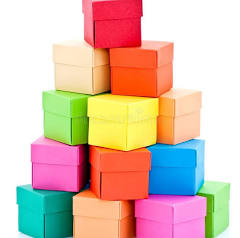
Contrasts are good—they make life colorful.
Until the next time: Live while you live
Leave a Reply